Small Moves, Big Momentum

Welcome to Snackable Skills for Busy Lives, a practical, upbeat collection of micro-habits, bite-size tactics, and evidence-backed routines you can learn in minutes and apply immediately. Whether you’re between meetings, waiting for a latte, or rocking a stroller to sleep, these compact, high-impact moves build momentum, reduce stress, and unlock consistent progress. Bookmark your favorites, try one today, and tell us which small change delivered the biggest win. Subscribe for fresh, five-minute skill drops each week.

Two-Minute Learning Rituals

Anchor a micro-lesson to something you already do, like opening your laptop or pouring coffee. Read a single paragraph, practice one flashcard stack, or rehearse a tricky sentence aloud. Consistency beats volume; Fogg’s tiny-habit principle turns small repetitions into automatic momentum without draining willpower.

Keyboard Shortcuts That Save an Hour a Week

Collect five shortcuts you use daily and practice them deliberately for one day. Map a spare key, enable a command palette, or install a cheat sheet overlay. The seconds shaved from every action compound into surprisingly calm afternoons. Post your top shortcut so others can steal back time.

Atomic Notes While You Wait

Capture one idea per note while queued up for coffee or riding an elevator. Write a full sentence that stands alone, tag sparingly, and link to one related insight. These tiny, connected notes become searchable sparks for later work, rescuing insights that usually vanish before lunch.

Energy First, Productivity Follows

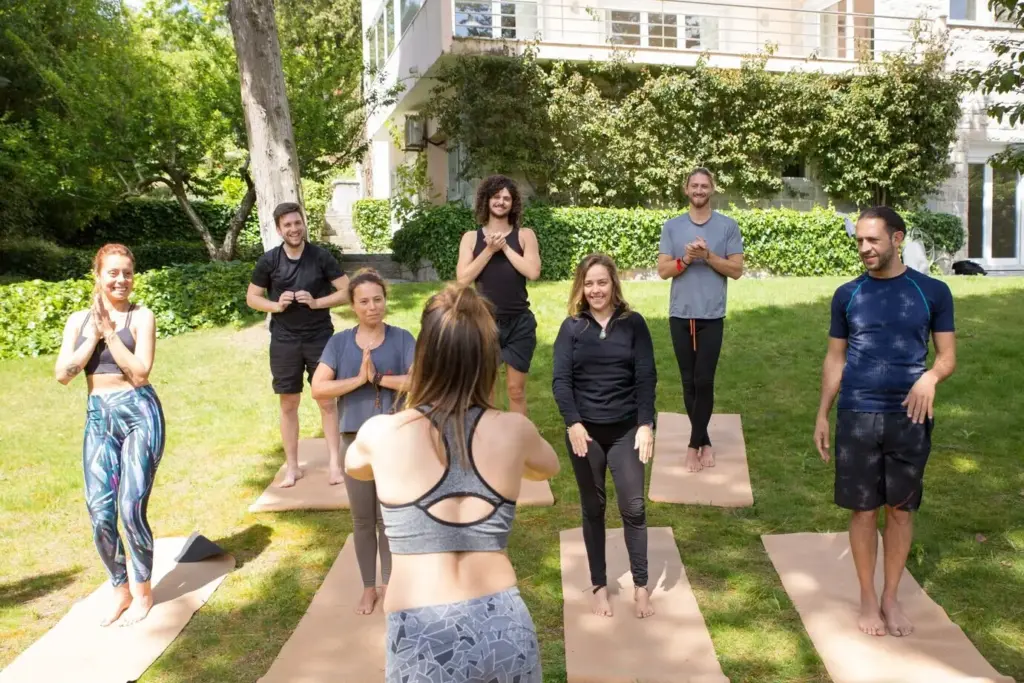
A drained body makes even elegant systems feel heavy. Prioritize quick energy resets you can do anywhere: intentional breathing, a sip of water, or one mobility flow. A few consistent restorers stabilize attention, soften anxiety, and help your best skills show up when the calendar overflows.

Box Breathing You Can Do in an Elevator

Inhale for four, hold for four, exhale for four, hold for four; repeat discreetly while doors close. This simple cadence lowers arousal, steadies heart rate, and widens focus fast. Set a silent watch reminder and notice how tense meetings feel noticeably friendlier within thirty seconds.

One-Minute Mobility Reset

Un-crunch from screens with sixty seconds of neck glides, shoulder circles, and calf pumps beside your chair. Blood flow upshifts alertness and back comfort, buying clearer thinking for the next block. Stack this with brewing tea so movement happens automatically without scheduling or guilt-ridden skipped workouts.

Subject Lines That Respect Time

Front-load purpose and action in the first five words, like decision needed, quick confirmation, or heads-up only. Add a due date in brackets and one-sentence summary in the body. People respond faster when they instantly understand stakes. Share your best line and borrow three from peers.

Voice Notes With Clear Structure

Record in a quiet spot and follow a simple arc: context, point, ask. State time sensitivity and next step at the end. This human, concise format beats rambling messages, especially on the go. Recipients feel guided, not flooded, and they reply decisively without a calendar meeting.

Feedback That Lands Without Friction

Use the formula behavior, impact, request. Describe what happened, why it matters, and the smallest change that would improve outcomes. Be specific and kind, then pause to listen. Framing around shared goals keeps momentum intact and transforms uncomfortable moments into trust-building, high-clarity collaboration across teams.

Learning on the Go Without Burnout

Skill growth thrives when effort feels light. Replace marathon sessions with structured, joyful sprints: spaced repetition flashcards, retrieval prompts, and curated micro-lessons. You will remember more with less time, protect evenings for recovery, and still stack capabilities that compound into bigger career freedom and creative play.
Schedule micro-reviews on rising difficulty intervals: same day, two days, a week, then monthly. Use phone widgets so cards appear before you open social apps. The forgetting curve softens dramatically when reviews are tiny and timed, giving you durable recall without sacrificing family dinners or sleep.
Before checking notes, close your eyes and list three facts, steps, or names from memory. Jot what you recall, then fill gaps quickly. This fast friction strengthens pathways more than rereading. Make it playful, set a sixty-second timer, and celebrate imperfect, improving results week by week.

Automation You Can Set Up at Lunch

A few tiny automations quietly erase repetitive friction. Start with low-risk helpers you can undo easily: text expansion, calendar templates, and inbox rules. Each removes dozens of micro-decisions, protects attention from drift, and earns you a relaxed buffer to handle real surprises with grace.

Text Expansion for Repetitive Replies

Create snippets for your frequent sentences, links, and signatures. Use intuitive abbreviations and variable fields for names or dates. Deploy them in chats, emails, and docs. The cumulative minutes saved become hours monthly, and your tone stays consistent under pressure, even late in the day.

Calendar Templates for Repeat Routines

Build templated events for weekly planning, deep work, and recovery blocks. Include pre-written agendas and links to working documents. Drag, duplicate, and adjust instead of rebuilding from scratch. Your schedule starts honoring priorities automatically, and colleagues learn your cadence, which reduces last-minute chaos and protects meaningful focus.

Email Rules That Tidy The Inbox

Route newsletters to a single folder, star VIPs, and auto-archive updates that require no action. Batch low-value messages for a twice-daily review. Light automation reclaims attentional real estate and keeps dopamine loops quieter, so you reach the end of day without digital debris clinging everywhere.

If–Then Defaults Beat Decision Fatigue

Pre-commit tiny rules: if meeting ends early, walk outside; if task is under two minutes, do it now; if invite lacks agenda, ask for purpose. These defaults move work forward kindly and fast, protecting willpower for thinking that actually needs fresh judgment.

Regret-Minimization for Career Choices

Project yourself five years ahead and ask which option you would regret not attempting. This quick perspective widens courage without ignoring risk. Write a one-sentence experiment to test the path safely, share it with a friend, and schedule the smallest irreversible action you can take.

The Satisficer’s Safety Check

Define good-enough criteria upfront, like budget, time, and two must-have features. When an option meets them, choose it and move on, noting a calendar reminder to revisit later. This compassionate boundary prevents endless comparing, preserves momentum, and still leaves room for improvement once reality provides new data.
Tapexulutavuvekepu
Privacy Overview

This website uses cookies so that we can provide you with the best user experience possible. Cookie information is stored in your browser and performs functions such as recognising you when you return to our website and helping our team to understand which sections of the website you find most interesting and useful.